Reviews
Teenage Sex and Death at Camp Miasma (2026)
BY MARCEL PETERSEN
August 25, 2026
MUBI
The slasher genre is beyond played out. Sure, we get a decent one once in a while (I thought Heart Eyes (2025) was pretty fun!), but even when it’s good, it’s usually still riffing on something we’ve already seen. With a few decades now of slasher movies behind us, there’s been plenty of time for discourse around these movies.
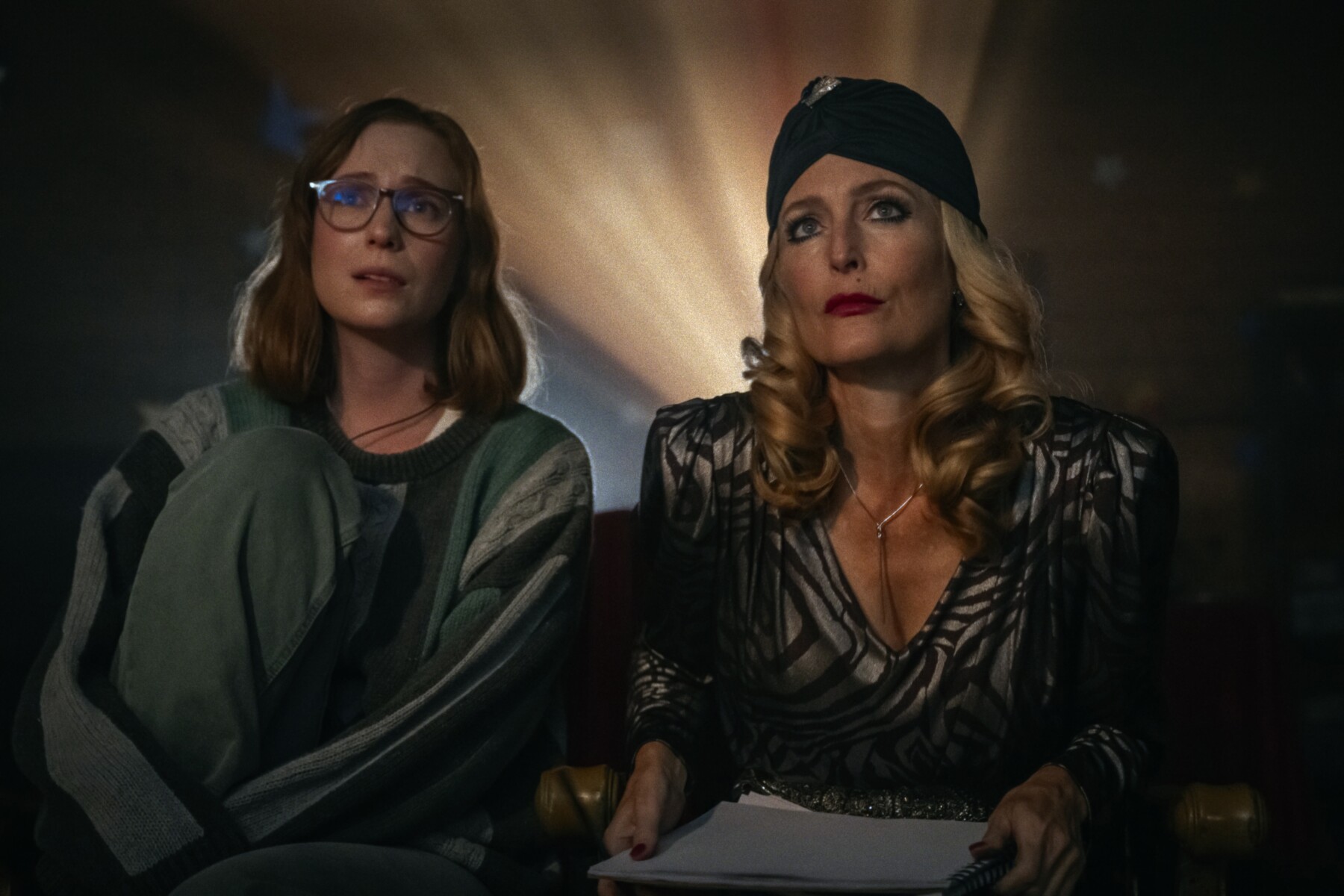
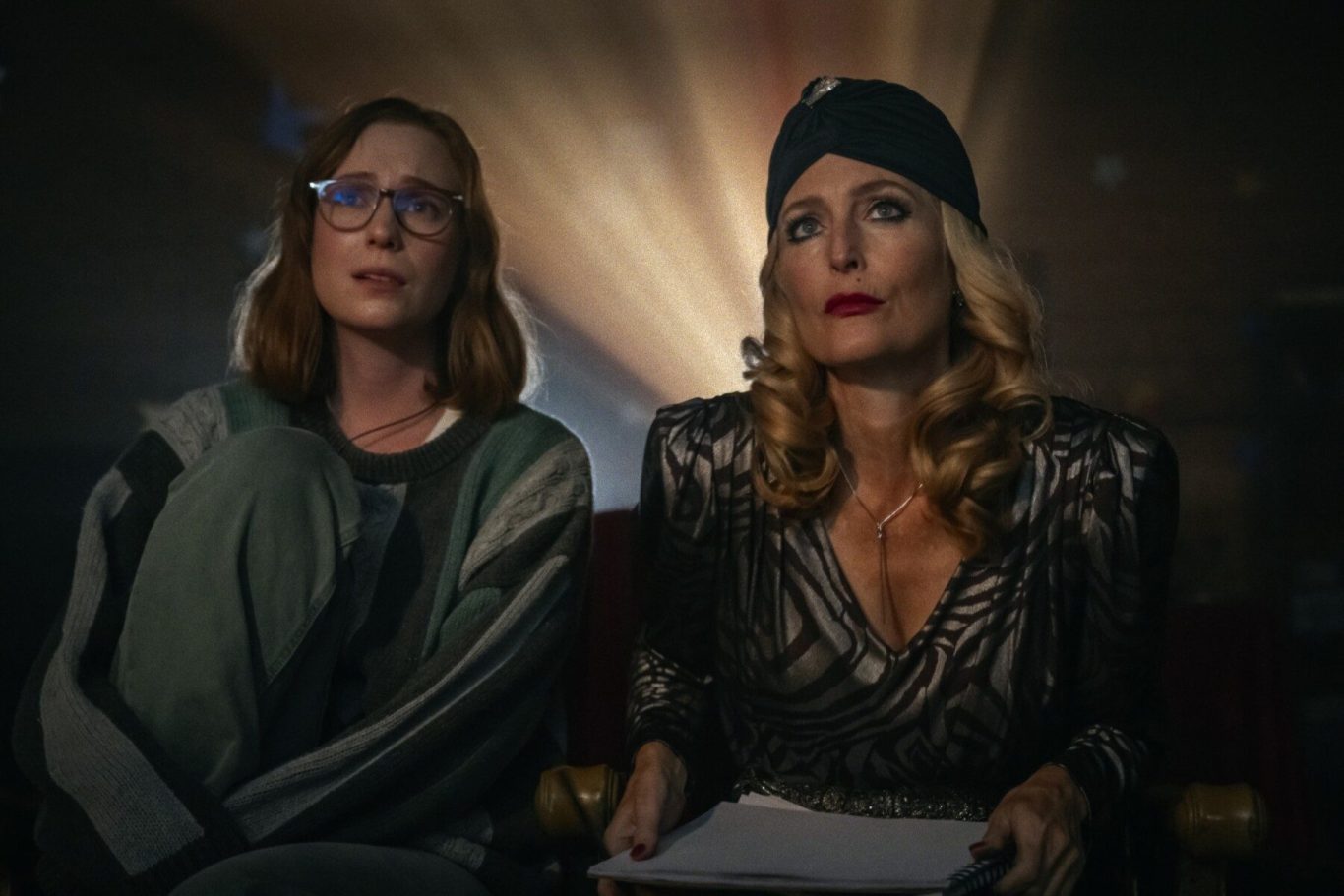
In Teenage Sex and Death at Camp Miasma, this is the problem for Kris (Hannah Einbinder, of Hacks (2021-2026) fame), a promising young director set to reboot the “Camp Miasma” film franchise. It’s her intention to feature the original final girl, who was portrayed by the now older and reclusive actress Billy Presley (Gillian Anderson), à la Gloria Swanson’s character in Sunset Boulevard (1950)—so, in hopes of convincing her to join the project, Kris sets out to visit Billy, who lives in a remote pacific northwestern town in a cabin on the site where the original film was shot.
As Billy and Kris get to know each other, they both share their experiences with “Camp Miasma”—Billy having been part of making (the original film) and Kris having been a life-long fan and now with the job of reviving the “zombie IP”—long dead and waiting to be resuscitated by the right director (a cool young queer director like Kris to make people forget about the more problematic elements of the franchise).
Kris clearly loves the “Camp Miasma” franchise, despite its problematic elements (she buys a Camp Miasma 6 (if I’m not mistaken) DVD from the gas station, and then when she gets to her hotel, has the hotel concierge dust off a DVD player so she can use it in her room—one of my favorite scenes in the movie).
MUBI
And this underscores one of the many themes of Teenage Sex and Death at Camp Miasma: on the one hand, we can consider authorship and artist intention when looking at these slashers of yore. What message did the writer/director/artist intend to communicate? But, perhaps more importantly, how do we engage with the art, and what does it mean to us?
The perfect example is Sleepaway Camp (1983), which is an important text for this film (and will now be briefly summarized and spoiled here for the purpose of this review). Sleepaway Camp centers on a young girl Angela, who goes away to (you guessed it) a sleepaway camp. The camp is full of mean kids, uncaring instructors, and negligent and predatory staff. A series of deaths start happening, and the camp owner tries to keep things running as normal. It’s eventually revealed that young Angela is the killer in a final jump scare of Angela’s naked body, showing that she is transgender (and it’s related that being a girl was seemingly forced upon her by her adoptive parents). This is concerning on multiple levels. The film intends to scare us with this final shot, insisting disgust and revulsion for Angela’s body, posing her as a monstrous figure. Additionally, there’s a toxic narrative here of queer people as mentally disturbed and also dangerous for society, forcing their “unnatural” “lifestyle” upon their children and others.
But the film also has gained a cult following, even from trans people. Part of this cult following may be due to a lack of representation period, so even "bad" representation is at least something. Angela’s plight is also ultimately pretty relatable: she’s shut within herself, afraid to be with other kids—a social outcast. The horror film can go there—it can take us to parts of society that people are afraid to talk about, or that they may not even know about. Can we fairly interpret Angela as the film’s intended hero? I don’t think so, but Angela is still the hero for the outcasts, for the trans kids, for anyone who has been othered by cisgender heterosexual society.
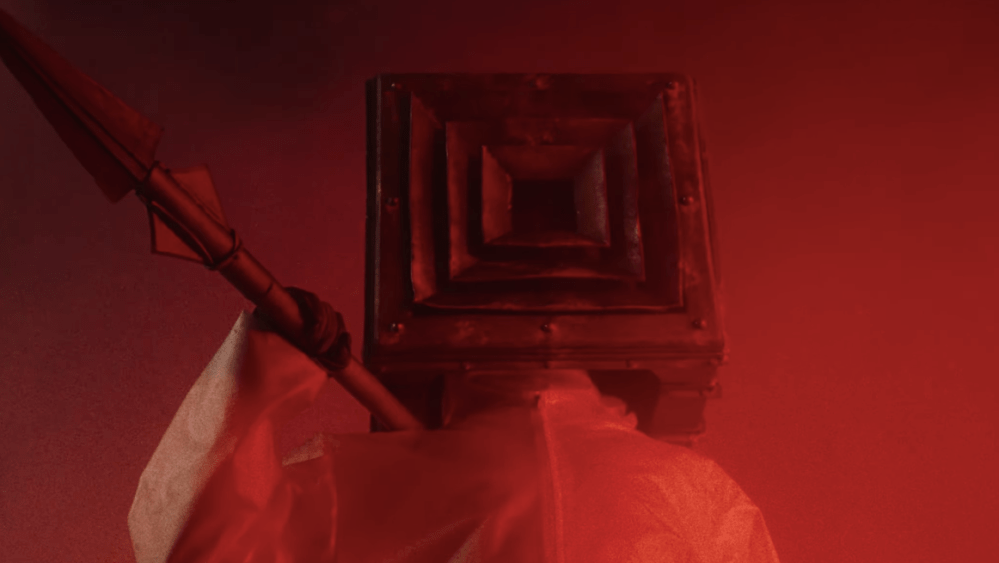
Teenage Sex and Death at Camp Miasma is obviously a tongue-in-cheek title, as is the name of the masked killer who torments the campers, “Little Death” (Jack Haven) (or as the French say, la petite mort, the “little death” sensation post-orgasm)—a combination of Angela (Sleepaway Camp), Jason Vorhees (Friday the 13th franchise), and (visually, at least) Pyramid Head (Silent Hill).
TSDCM is also in conversation with writer/director Jane Schoenbrun’s previous two films. On the one hand it’s more of the same—closed off protagonist, Alex G soundtrack, dream-like visuals, discussions of the self and media—but it also feels like Jane is breaking new ground. Tonally TSDCM is much sillier than their previous work, and, for my taste, all the better for it.
Teenage Sex and Death at Camp Miasma bites off a lot, and I’m curious how people will react to it who haven’t seen some of the media this assumes as background knowledge. Ultimately, though, I think the film is about embracing pleasure—whether that’s a sexual fantasy, fried chicken and dipping sauce, popcorn and candy, or a problematic horror film (or some of that all together).
RATING: 4 out of 5 stars
Spider-Man: Brand New Day (2026)
BY MARCEL PETERSEN
August 2, 2026
Marvel Studios and Sony
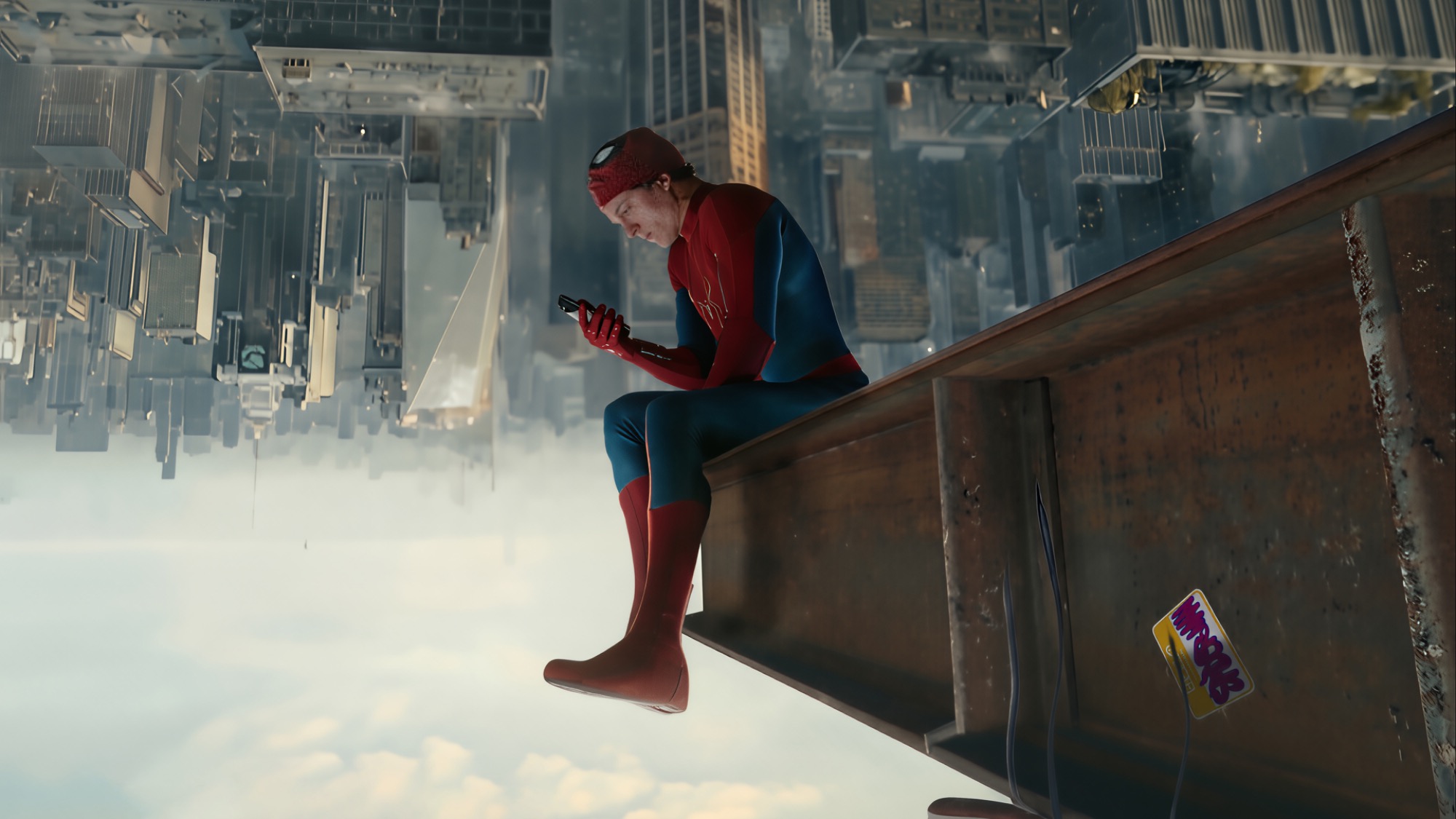
The Marvel Cinematic Universe has been on a down-swing since Avengers: Endgame (2019). Of the 16 post-Endgame movies, only 7 have made over $700 million at the worldwide box office, which include both of the previous Spider-Man movies. Brand New Day was all but destined to be a hit (and may even exceed $2 Billion worldwide)—but with great power comes great responsibility.
In addition to bearing the burden of some financial and critical failings post-Endgame, there’s also the feeling of disconnectedness in a universe that once promised and delivered on that promise of a shared universe. But the previous Tom Holland Spider-Man movies have been critiqued for doing just that, positioning Peter as an “Iron Man Junior,” with both Iron Man as a mentor for Peter and an origin for Peter’s foes (Michael Keaton’s Vulture taking up smuggling and resale of alien tech and wreckage after he’s dismissed once the job is taken over by Damage Control, a government agency for clean-up, storage, and utilization of dangerous and/or alien technology, which was at least initially founded with support from Tony Stark; or Jake Gyllenhaal’s Mysterio, a disgruntled former Stark Industries employee).
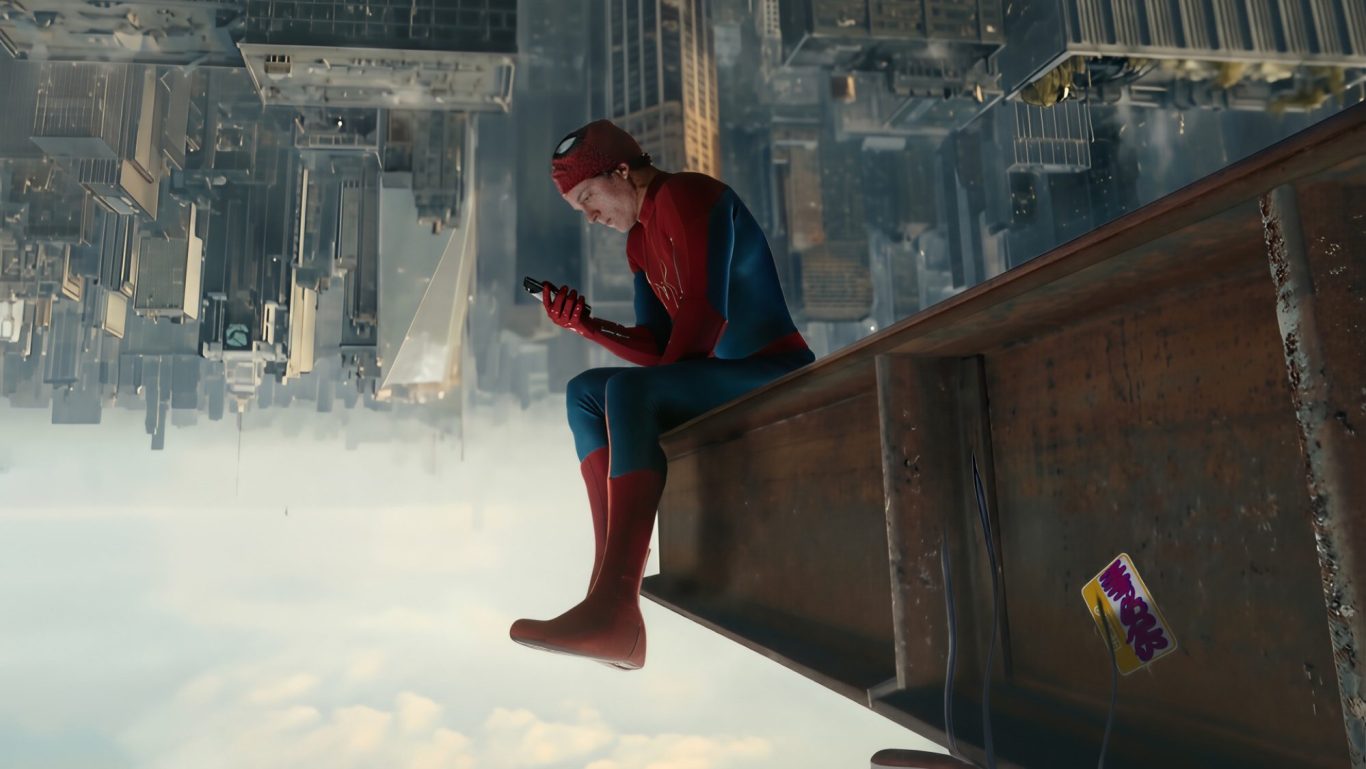
Overall, I think the connections to the wider MCU work in the previous Spider-Man movies—but doing so still de-centers Spider-Man, whereas the pre-MCU Tobey Maguire and Andrew Garfield movies feel purely like Spider-Man movies, in part because they are bound only to Spider-Man rather than dabbling with Iron Man (Homecoming) or Doctor Strange (No Way Home) or the Punisher and the Hulk (Brand New Day).
Marvel Studios and Sony
Brand New Day also had to reckon with the immensely popular Spider-Verse movies, which are not only in contention for the best Spider-Man movies, but also best super-hero movies. It’s clear the audience has really responded to and loves Miles Morales, but also just comic book movies feeling like comic books. We also now have three successful and popular Spider-Man video games from Insomniac Games on the Playstation 4 and 5, which are a fun time, with a full rogues’ gallery of Spider-Man villains and side-quests and B-plots. Brand New Day begins with a montage of Spider-Man fighting crime, featuring quick hits with Scorpion and Tombstone. Throughout the movie, Spider-Man also has a relationship with Detective Jean DeWolff, who plays a role similar to other police characters in the Insomniac games.
The inclusion of another character, played by Sadie Sink (you surely know by now, if you’re reading this, but I’ll leave this spoiler free), didn’t totally work for me, but what better property is there than Spider-Man to back-door pilot something, given the guaranteed financial success? Strategically, I understand why they did this, but it was also the weakest part of this movie. If they instead used one of the many Spider-Man foes, maybe Scorpion or Tombstone, to center the movie around, it may have been more satisfying as a Spider-Man story rather than an MCU story.
Brand New Day’s action is dynamic and engaging: we’ve got slo-mo for spidey-sense, we’ve got Spider-Man swinging through the city, jumping off buildings—it’s great stuff (and see it in 3D if you can!) The successful execution here should be no surprise, given Destin Daniel Cretton’s previous big-screen super-hero endeavor Shang-Chi and the Legend of the Ten Rings (2021), which may still be the best-choreographed action in the MCU (but Brand New Day is certainly a contender).
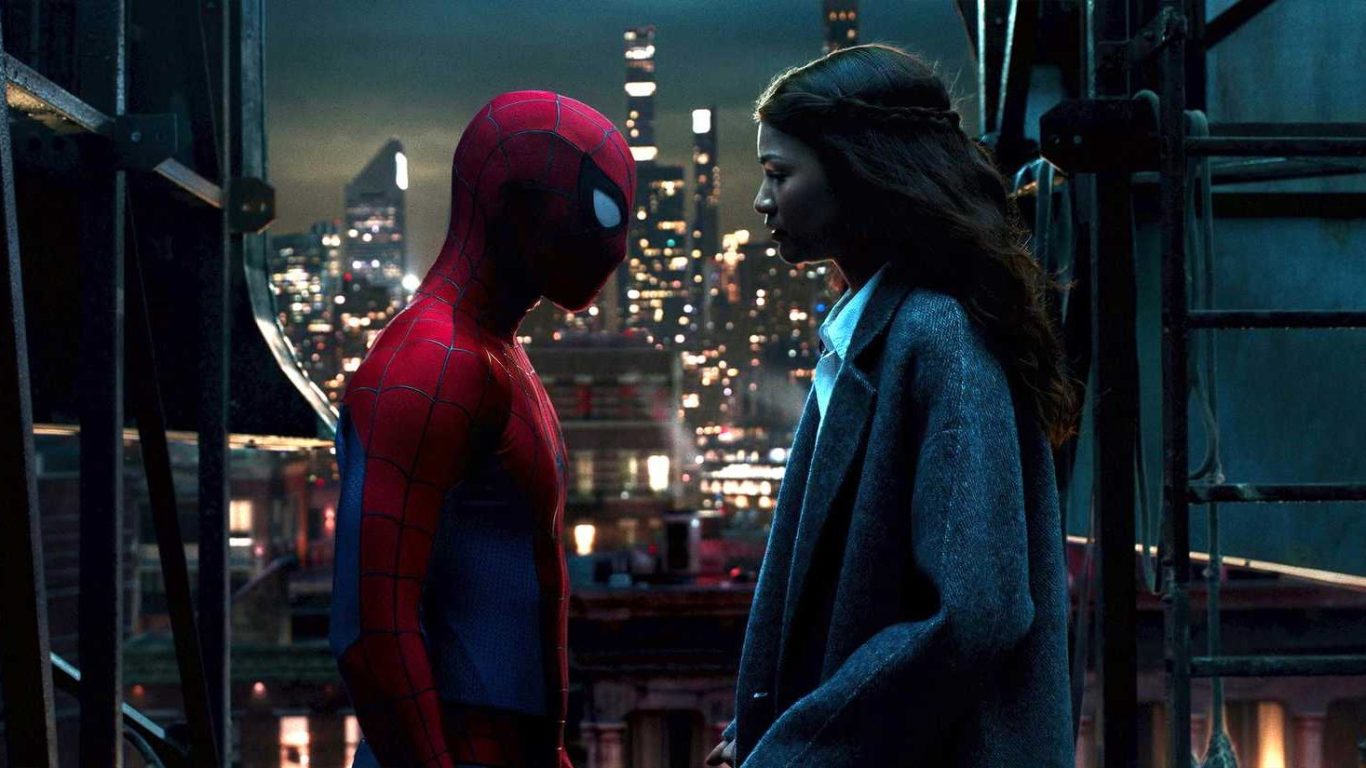
The emotional core, often an under-served part of MCU movies, actually mostly works here. While I’m still mixed on how the Aunt May death in No Way Home was handled, we are still left in the wake of that death in this movie, but more successfully and convincingly, we are left in the wake of everyone's memory loss—especially Ned and MJ. Peter has been going it alone since then, without his best friends. Peter’s relationship with Ned and MJ has been the strongest part of these movies, and while the memory of what was might put a damper on the movie tonally, it also makes us care.
Clearly this movie is for the fans of both the MCU iteration of Spider-Man and also fans of the other great Spider-Man media we’ve had, but it’s also part of a continued corporate effort to restore Marvel Studios’ reputation to its pre-Endgame days and back-door pilot a new set of characters. If you’re already poisoned on MCU Spider-Man, this movie will probably not win you over, but it certainly does its best to.
RATING: 3.5 out of 5 stars
Disclosure Day (2026)
BY MARCEL PETERSEN
June 13, 2026
Universal
Disclosure Day is Steven Spielberg’s first major return to big Sci-Fi story-telling since his 2005 remake of War of the Worlds (I won’t count Ready Player One (2018)). Can a Spielberg blockbuster still be a blockbuster? Can it still make an impact like E.T. the Extra-Terrestrial (1982) and Close Encounters of the Third Kind (1977)? This movie is not as intense as War of the Worlds, not as magical as E.T., and not as personal as Close Encounters—but it’s also an amalgamation of all of this. What has 50 years of this storytelling done for society? Have we forgotten how to watch, how to listen?
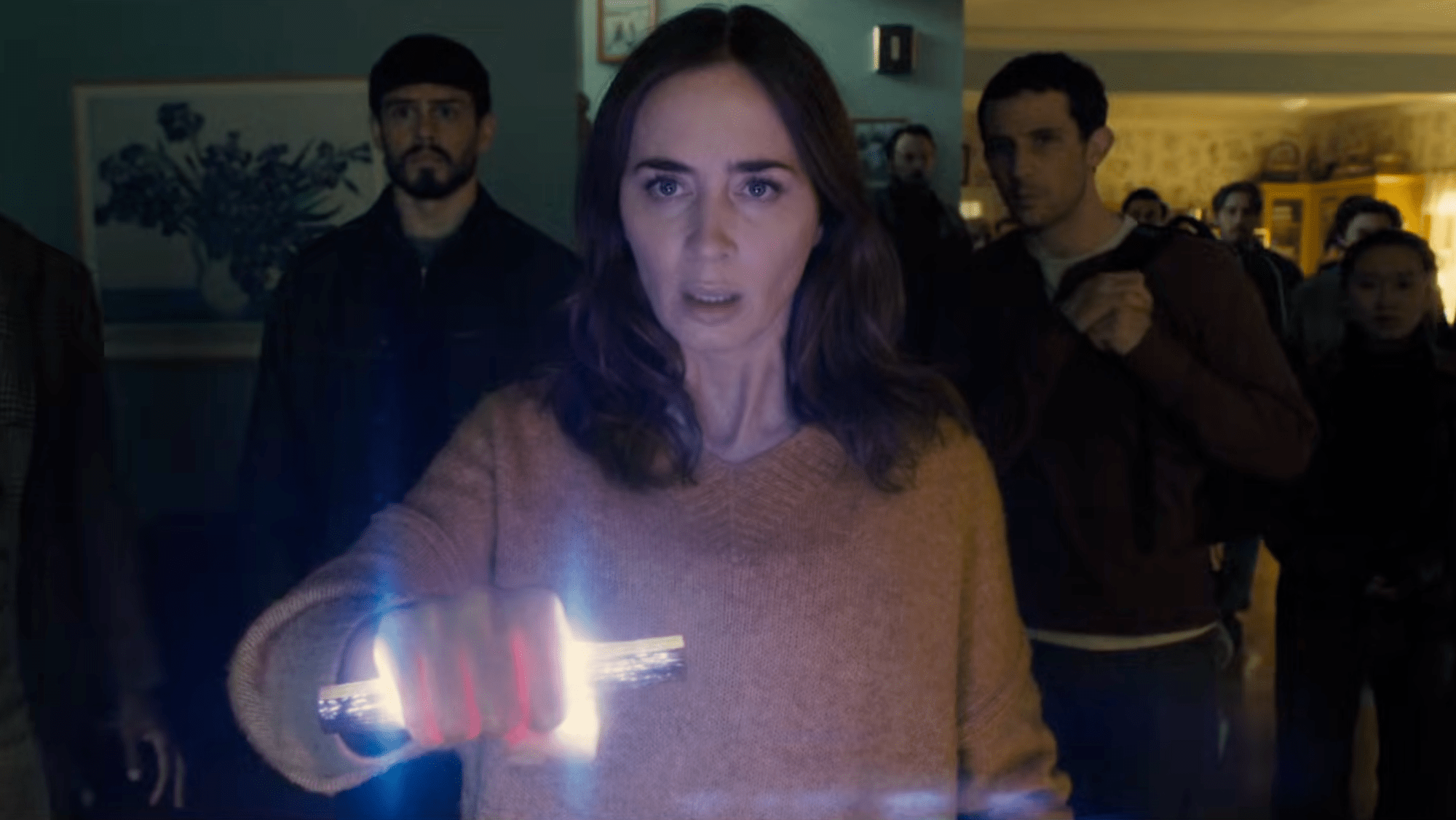
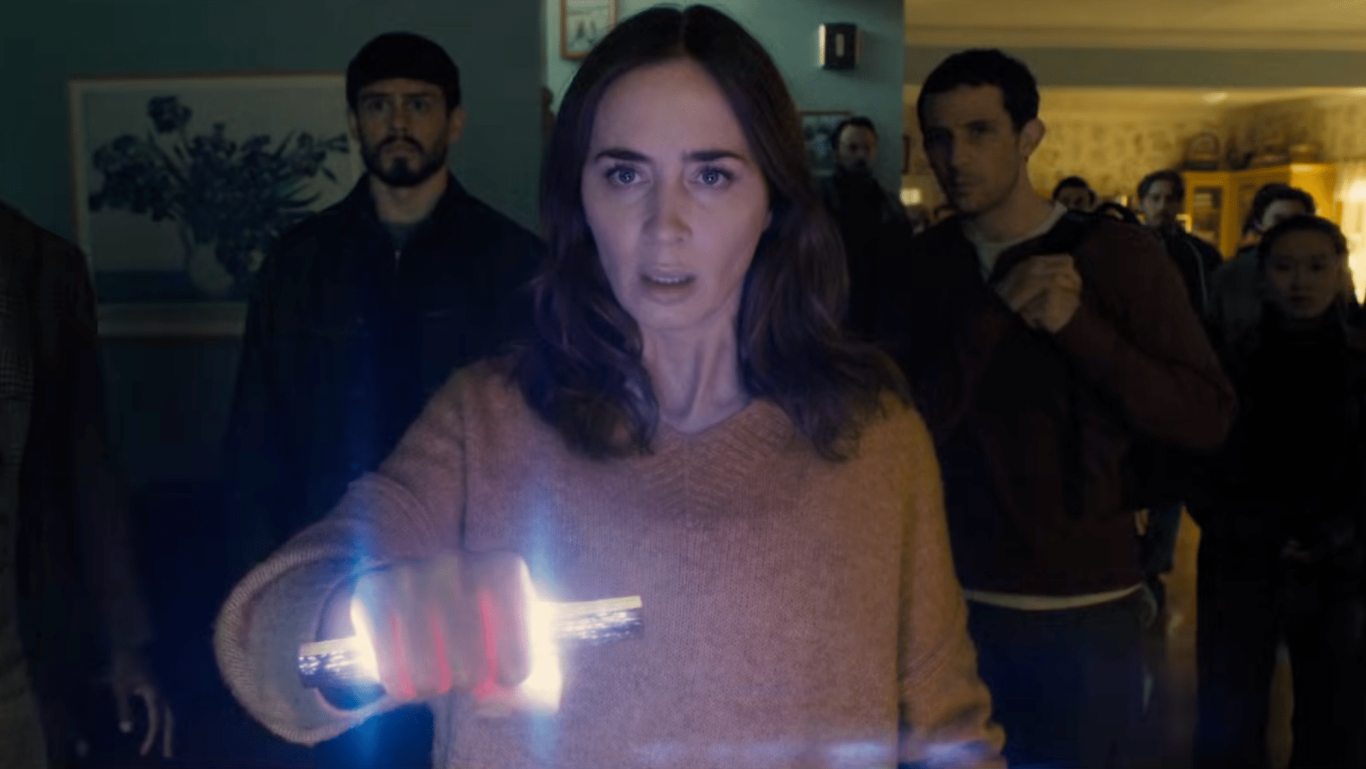
Disclosure Day follows Margaret Fairchild (Emily Blunt), a Kansas City weather reporter, who begins experiencing changes in how she can communicate with other people; Daniel Kellner (Josh O’Connor), a cyber-security expert who has stolen data from his former employer, the shadowy government-adjacent organization Wardex; Noah Scanlon (Colin Firth), the head of Wardex, intent on information suppression; and Hugo Wakefield (Colman Domingo), the head of a covert group opposed to Wardex’s goals.
The movie begins in media res, with Daniel Kellner on the run. With the help of a mysterious alien object, Daniel evades capture and is able to rescue his (former?) girlfriend, Jane Blakenship (Eve Hewson), who, we find out, was going to become a nun—and this is seemingly just for the movie to have an excuse to discuss the perhaps opposing realities of aliens and God.

Universal
Meanwhile, Margaret is also on the run, after her outburst of alien language on live TV brings Wardex’s attention to her as another target. Her boyfriend, Jackson (Wyatt Russell), tries going along with her at first, but Margaret’s new intuitive understanding is a lot to follow—not only for him, but also for the audience.
Margaret’s newly-realized intuitive communication stands in contrast with Scanlon’s telepathic linking (achieved by using the same multi-purpose alien technology that Daniel uses earlier in the movie). While Margaret uses her abilities to create understanding between people, Scanlon intends to control people so he can achieve his goal of suppressing information. Any technology can be used to control rather than to share and communicate—whether that’s an alien rod or, say, social media.
Disclosure Day asks questions about alien contact, doesn’t explore them too deeply, but does ask us to think about them. The movie instead focuses on the conflict between those that intend to suppress information and those that want to share it. For the most part this works well in the movie. Frustratingly, though, the finale includes constant reporter commentary telling us how interesting and awe-inspiring what we’re seeing is, instead of letting the images speak for themselves.
Disclosure Day examines alien contact and humanity’s relationship with it—but also our relationship with each other. Have we stopped wondering, caring, listening? What would it take to get everyone to think about the same issue? What does it take to truly understand other people? We’re fractured as a society, both as a country and the world at large. Would incontrovertible proof of alien contact change any of this? Would it inspire greater understanding and wonder, or just more fear and suppression? The choice is up to us.
RATING: 3.5 out of 5 stars
Obsession (2025)
BY MARCEL PETERSEN
June 3, 2026
Blumhouse
Obsession is keenly tuned-in to Gen Z relationships. Thankfully, it is not preachy about the subject, it just feels real—in part, probably due to the fact that writer/director Curry Barker is telling it from his perspective as part of this generation, rather than critiquing it from the outside.
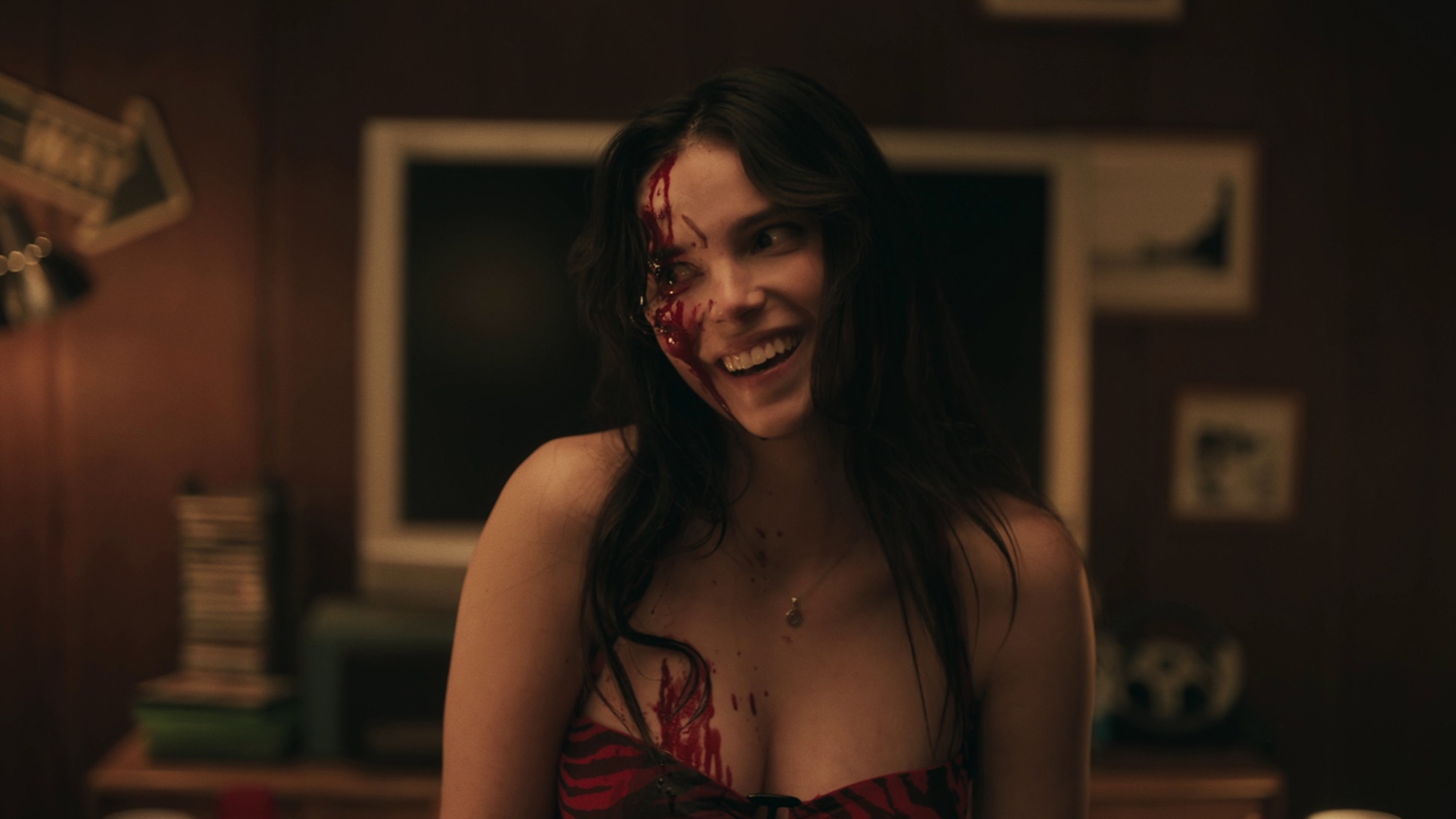
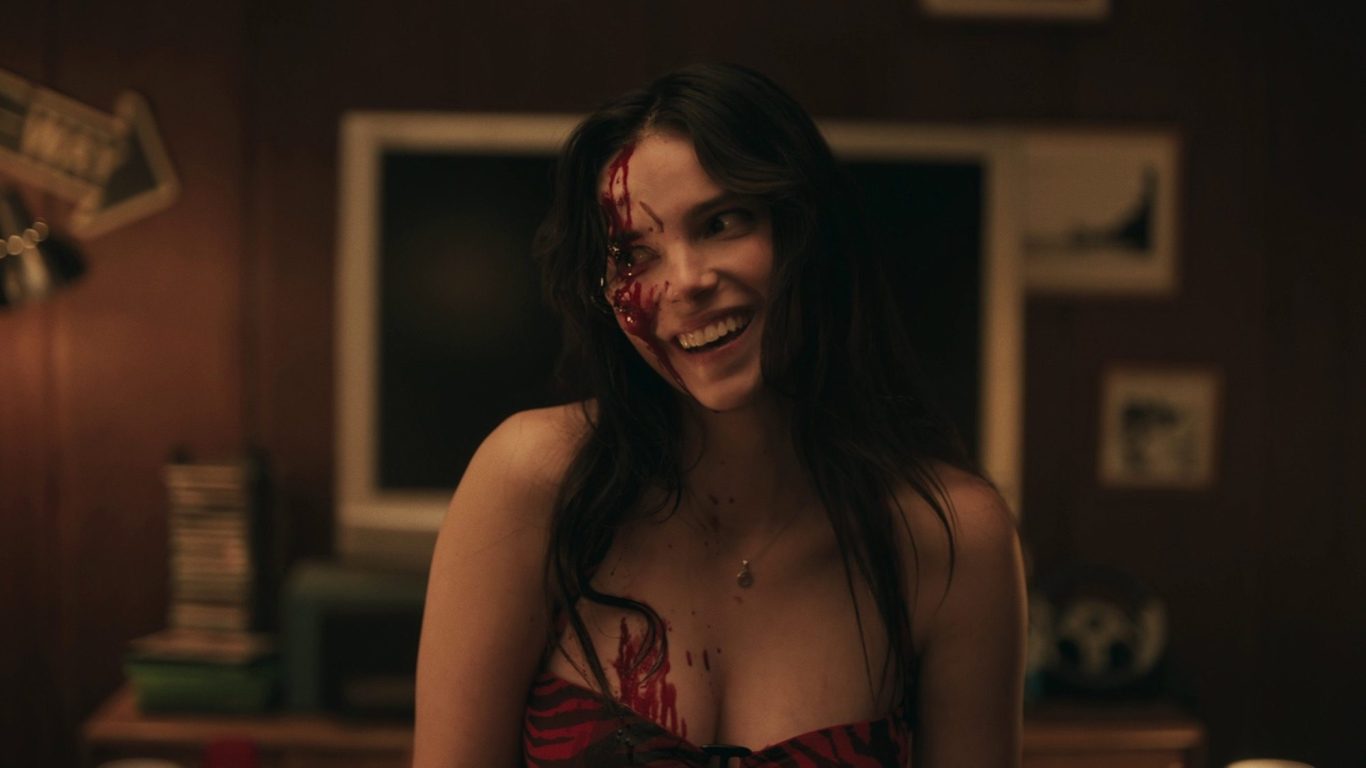
The movie is well put-together, with a stand-out performance by Inde Navarrette as Nikki, a girl in a group of four twenty-somethings who all work at a music store. Along with Nikki, there is Bear (Michael Johnston), lonely and restrained; Ian (Cooper Tomlinson), confident and straight forward; and Sarah (Megan Lawless), laid-back and kind.
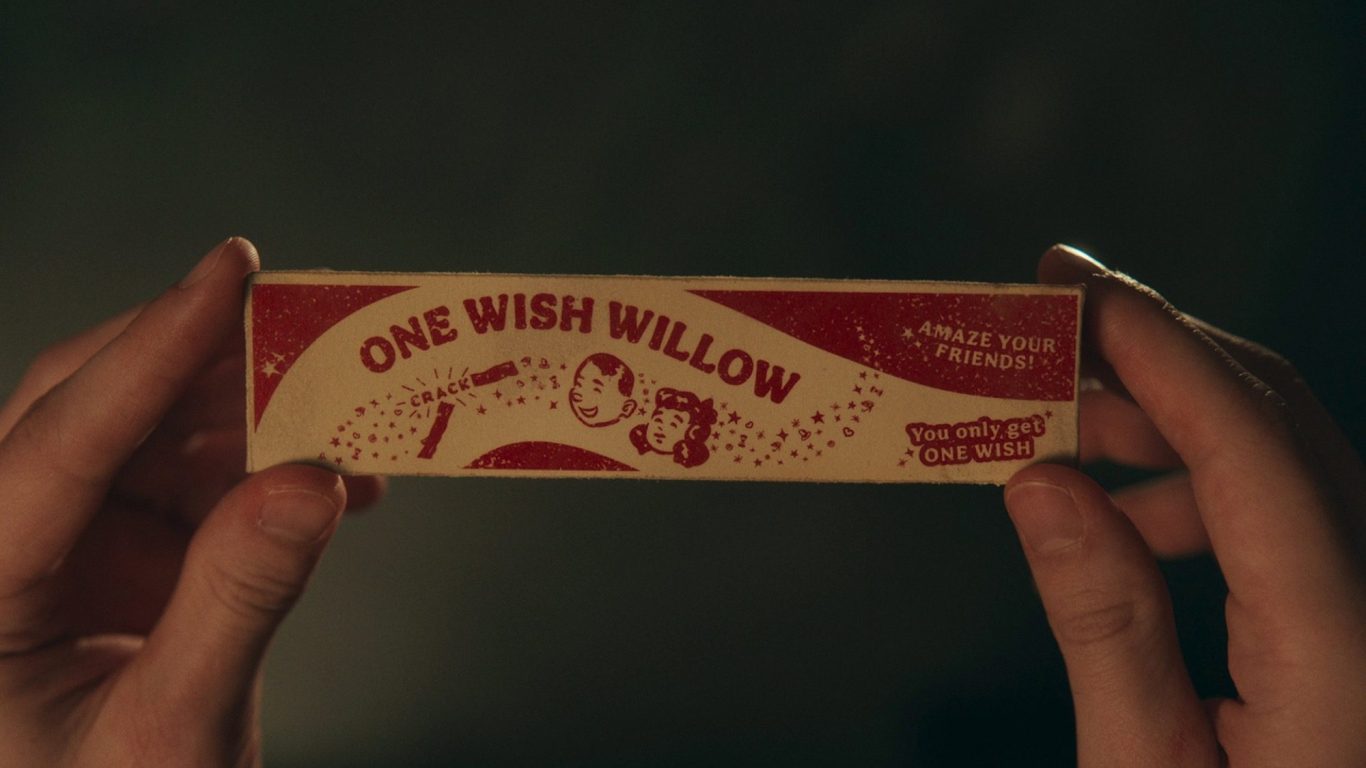
Bear likes Nikki, and Nikki likes Bear (but not like that)—that is, until Bear stumbles upon a novelty item at a witchy crystal shop, while he’s looking for a gift to give to Nikki: the “One Wish Willow,” which grants its user one (and only one) wish.
Blumhouse
After an uncomfortable good-bye after dropping Nikki off after a bar trivia night, Bear makes the wish that she loved him “more than anyone in the fucking world”—not knowing it would actually come true. A change comes over Nikki and she walks back to his car and Bear immediately notices she is not acting like herself. And from there, things escalate quickly.
Interestingly, the “One Wish Willow” that Bear uses to wish for Nikki’s love was originally intended as a gift. But instead of being used as a token of his infatuation, it becomes the instrument guaranteeing hers. In reality, of course, there is nothing that you can say or do or buy to actually make someone love you: love is too complicated, even for magical wish-sticks. Whatever magic is harnessed by the “One Wish Willow” understands that the only way to make this forced “love” happen is through a kind of demonic possession.
Each character, through selfishness, inaction, or both, makes their own and others’ situations worse—the most grievous of which is Bear, who refuses to step out of the weird limbo he is in with Nikki—both pre- and post-wish.
Obsession has been well received, with a 96% Rotten Tomatoes score and a 4.2 average on Letterboxd. On top of that, it’s had an historic three consecutive weeks of increasing box office. Obsession speaks to the current moment—whether that’s unclear boundaries in relationships, fear of rejection and awkwardness, or male loneliness (and entitlement).
I’m sure we’ll all be in for another grim and interesting movie with Curry Barker’s upcoming Texas Chainsaw Massacre reboot.
RATING: 3.5 out of 5 stars